The Beginning
Not merely a few ideas for the opera, but the entire background story of “Il Principe di Parma” was the result of a very intense dream — which seemed strange to me, since although I feel a deep affinity for classical music, I had previously had little connection with opera. And yet it was immediately clear to me: this opera must be realised.
Whether it was even possible to realise an entire opera using Cubase, SUNO, and other tools — that I did not yet know. What follows is an account of how I proceeded.
From the very beginning, I planned a musical realisation that could, in principle, be performed in an opera house — even though I was aware that this would in all likelihood never happen. My first step was to create stage designs for each of the four planned acts using the platform Midjourney — for it was precisely these images, together with the accompanying story, that I had dreamed.
Act I
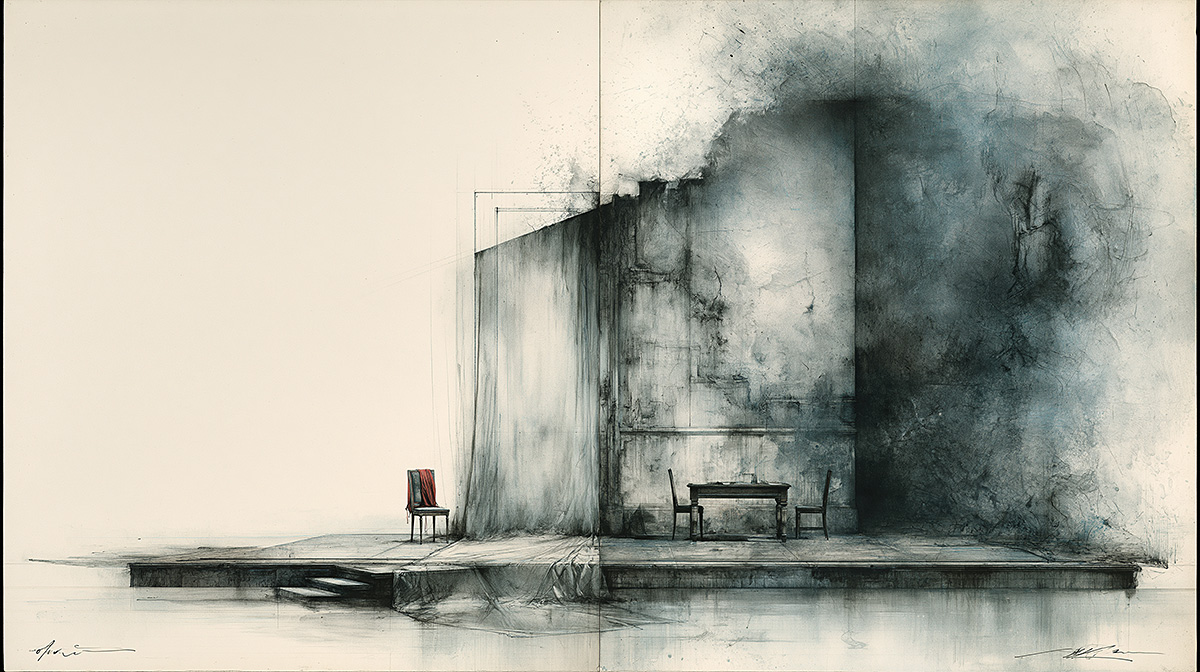
Stage design for Act I — created with Midjourney
The image for Act I shows a stage divided by a curtain. On the left stand Isabella, the prince’s wife, and her son Ludovico — and a chair with a red scarf. On the right stands Raniero, the prince. Unwittingly, the prince overhears his wife and son and is appalled by their cruelty. The two depart, and General Valeriano enters. Raniero laments his sorrow and despair at into whose hands his beloved Parma will fall with Ludovico as heir.
Valeriano confesses to the prince that he has an illegitimate son — a soldier over whom he has watched all these years: Enzo, a man of noble character. Raniero wishes to see Enzo at all costs and declares that he will appoint him as heir if he is all that Valeriano promises. This conversation is overheard by Isabella, who had returned to collect the scarf she had forgotten.
All further details may be found in the libretto, which is available for download above.
Act II
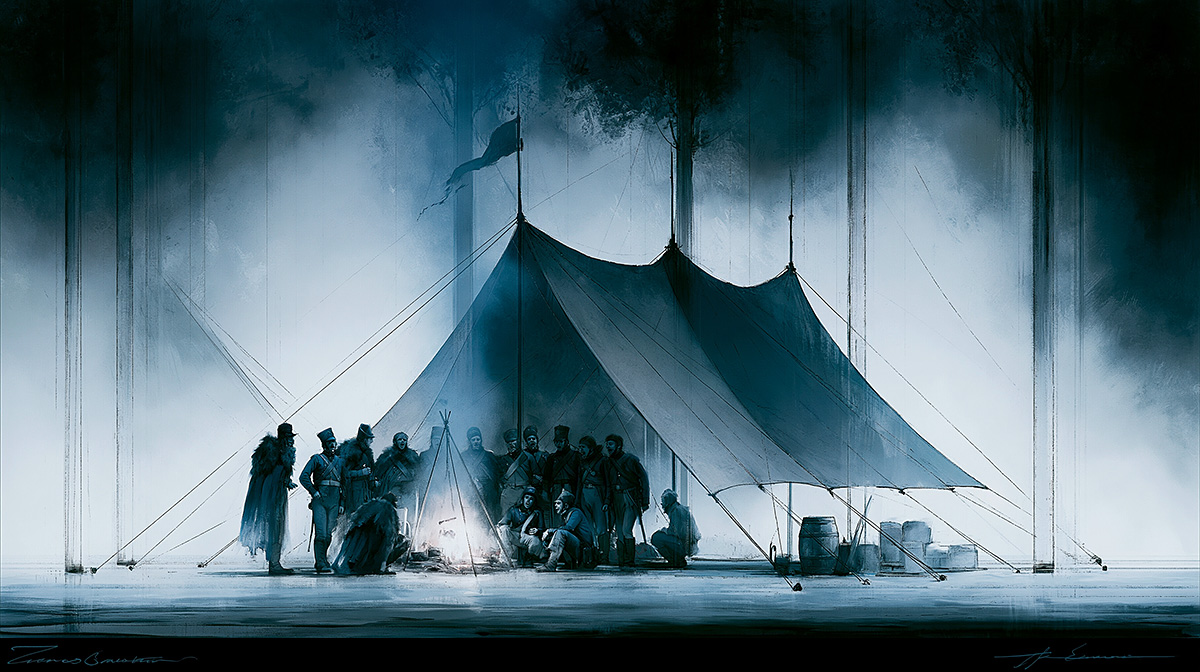
Stage design for Act II — created with Midjourney
This libretto — based on the sequence of events described here and further details not mentioned — I created with the active assistance of three AI platforms (Gemini, Claude, and ChatGPT) in intensive dialogue. Without them, it would have been impossible, for example, to compose the Italian texts of the arias and recitatives.
In one case — the Soldiers’ Song — I was able to draw on a stanza from a song I had written some forty years ago, which now, in its Italian version for tenor and chorus, is all the more moving.
Act III
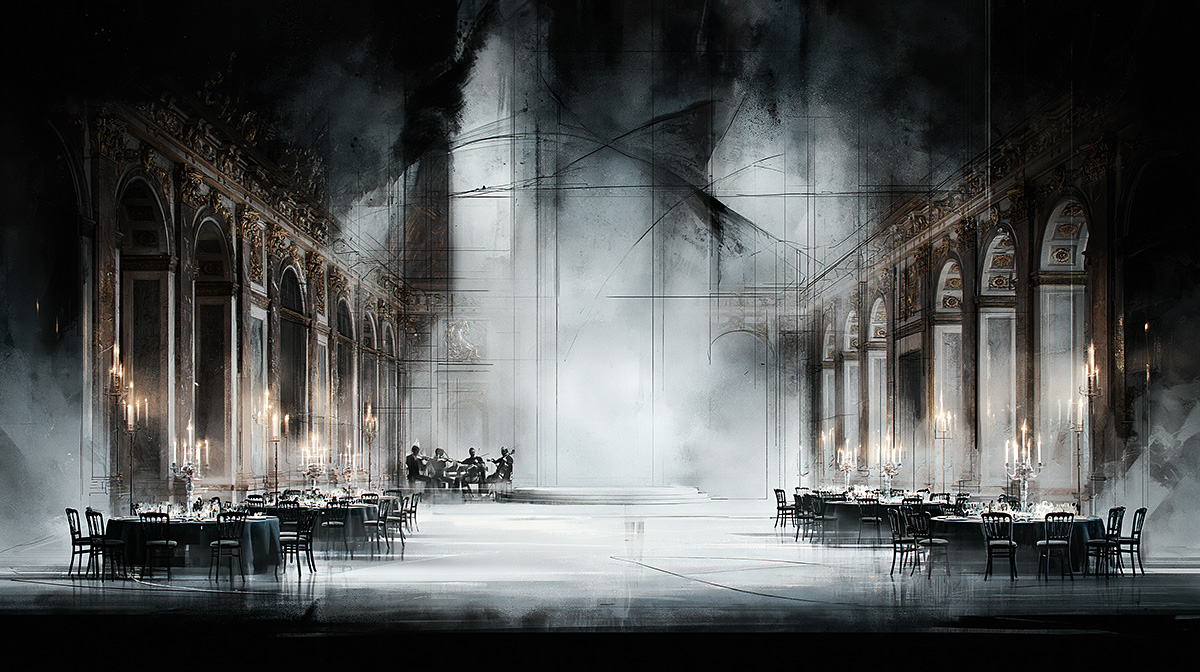
Stage design for Act III — the string quartet placed spontaneously by Midjourney became part of the drama
With the third act, things were somewhat different. Here I had dreamed the basic “entanglements” — that Isabella poisons her husband, accuses Enzo as the assassin, and Valeriano helps the innocent Enzo to escape. But it was the stage design I created with Midjourney that proved strong enough as inspiration to finally bring everything together.
This includes the minuet with which the third act opens: Midjourney had spontaneously placed musicians at the edge of the scene, whereupon I refined my prompt until at last a string quartet was visible in the hall.
Act IV
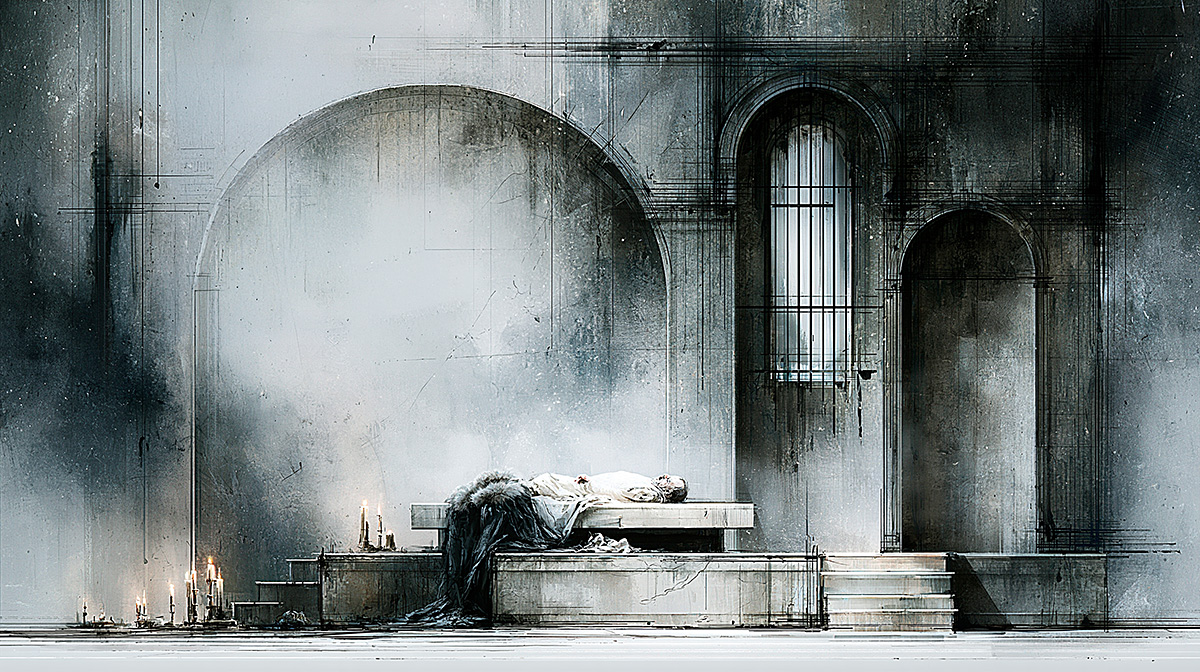
Stage design for Act IV — the crypt, where everything comes to an end
The final act left a clear image in my dream: Raniero lies half-dead in the crypt, Isabella believes herself already at her goal, when the dying prince forces his murderous wife, with his last strength, to drain the same goblet with which he had been poisoned. Ludovico appears, sees his dead mother and seeks revenge upon Enzo, who had concealed himself in the adjoining chamber.
Enzo defeats Ludovico, disarms him, but spares his life — he cannot kill his half-brother. In this moment of mercy, Ludovico draws a hidden dagger and stabs Enzo in the back. With his last strength, Enzo kills his half-brother. General Valeriano appears and finds the dead in the crypt. Enzo dies in his arms. Valeriano closes the opera with a deeply moving final aria.
The Cast
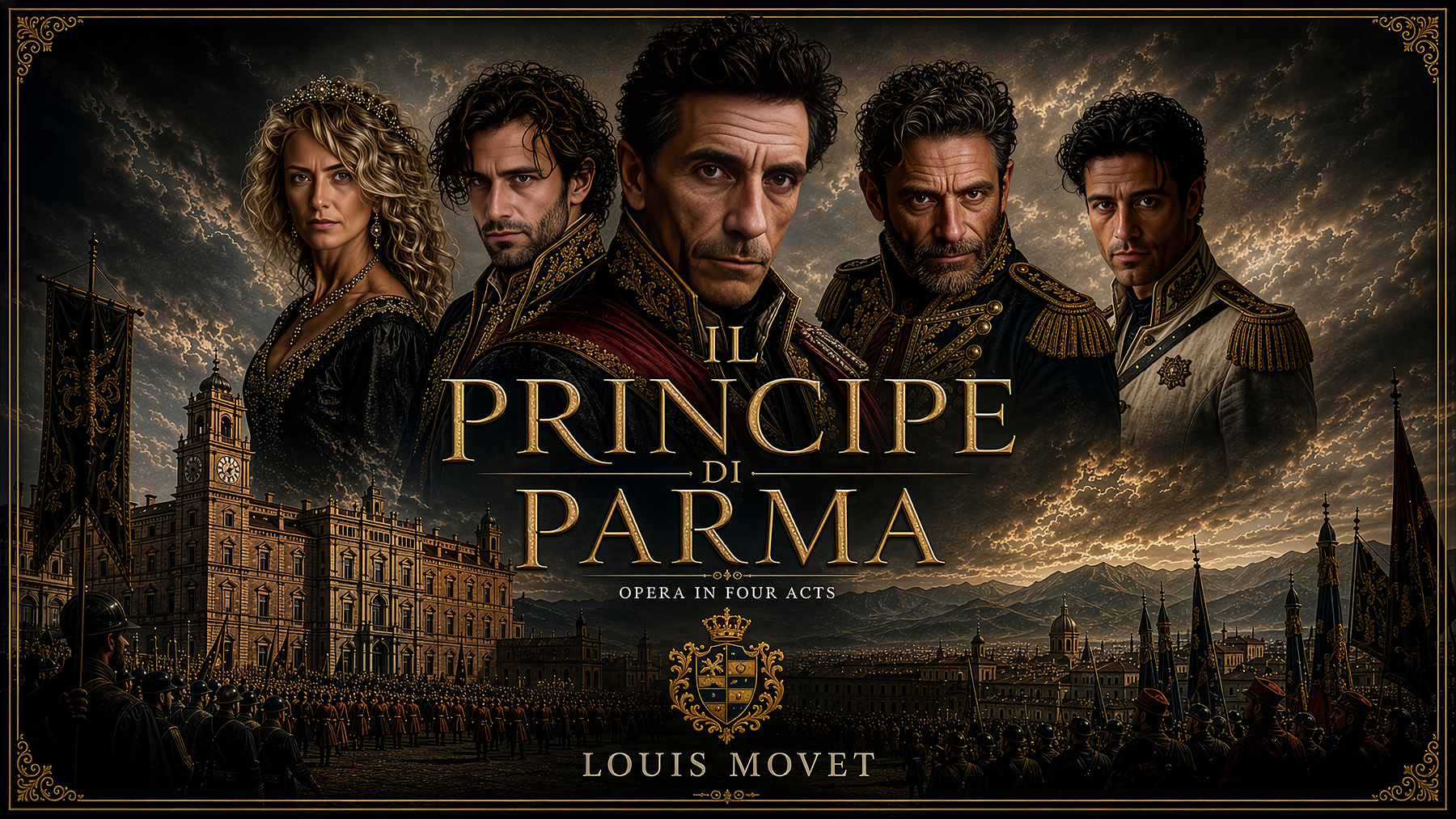
For a better understanding of the opera, I also brought the protagonists to life using Midjourney — creating portrait photographs of all singers, both as “civilian” persons and in the costumes of their roles. These portraits were subsequently used in the realisation of the YouTube videos, animated above all using Kling AI.
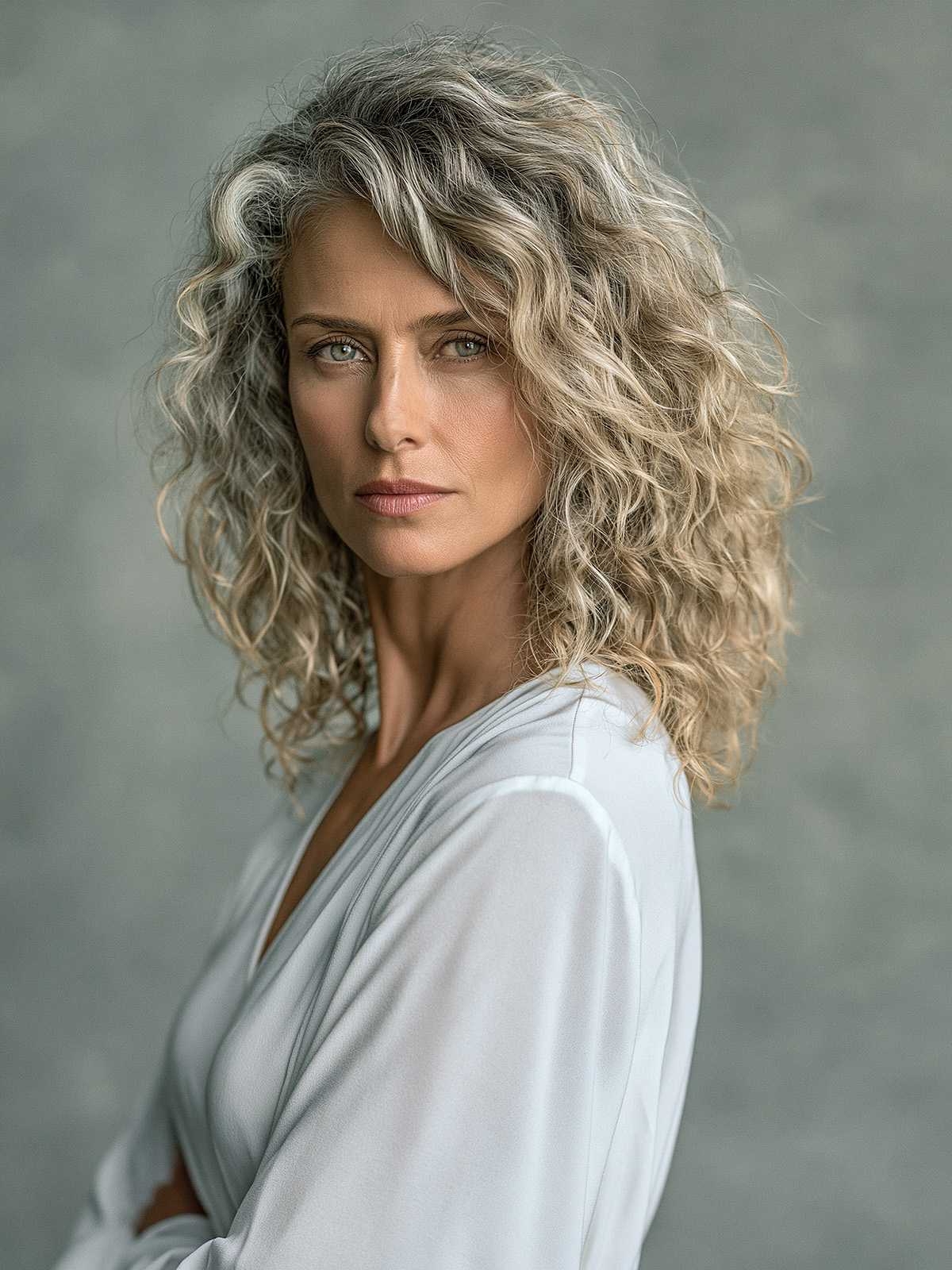
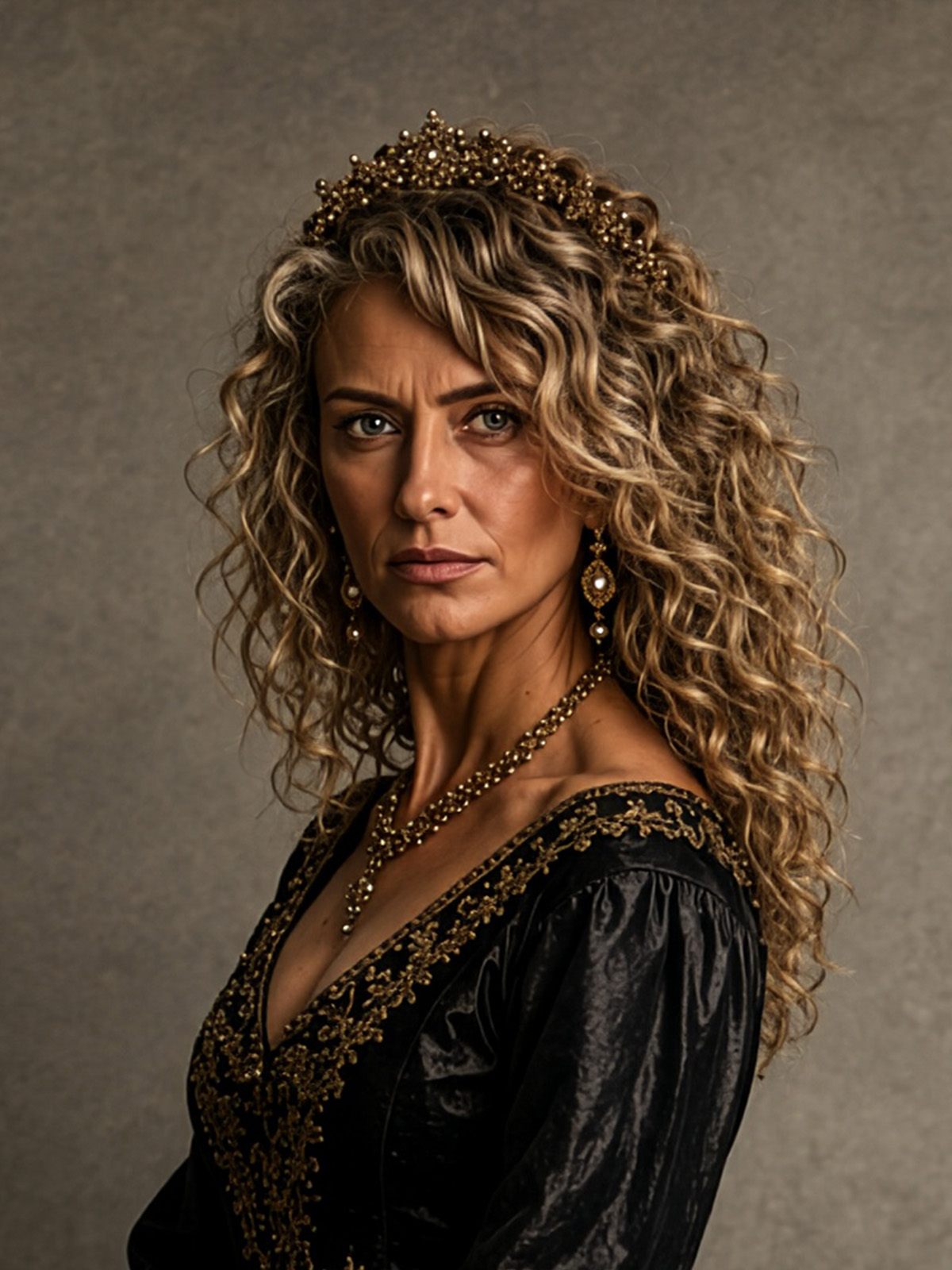
Only when I saw Isabella in her costume did the full dramatic potential of the character become clear to me — the cold calculation behind her beauty, the cruelty masked by elegance.
The animated videos of the opera are available on the Videos page.
To the videosThe Craft
The familiar interplay with SUNO Studio was central: a simple piano track created in Cubase becomes, via the cover function, an orchestral work that in turn serves as the basis for recitatives and arias. The finest example of this is perhaps “Raniero’s Theme”, Track 03 of the CD version, which became the musical foundation for Raniero’s subsequent recitative and his aria “O Parma, in quali mani cadrai.”
The problem of genuine duets in SUNO I circumvented by simply dispensing with them, in order to preserve the coherence of the voices. By means of various audio tracks, it is possible in SUNO to set singers against one another — but these are always merely “similar” voices, not the specific personas I had created. The Extend function of SUNO is different: here, various personas can be used successively within a single track.
I hope that with these lines I have managed to make reasonably transparent how, in the end, a dream became an opera.
Next Work
Opera in three acts. The libretto is nearly complete. A work of approximately two hours duration — a full evening’s opera in the traditional sense.